
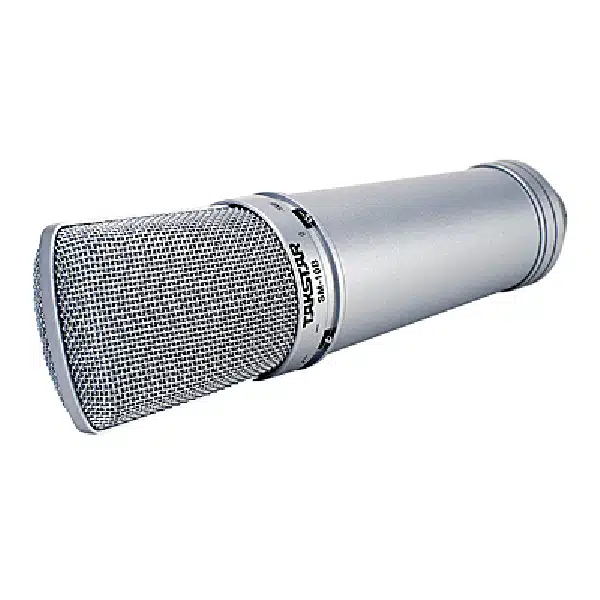
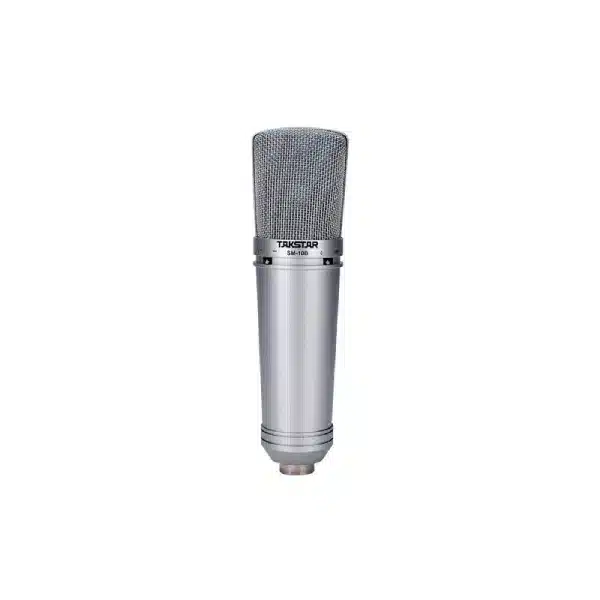
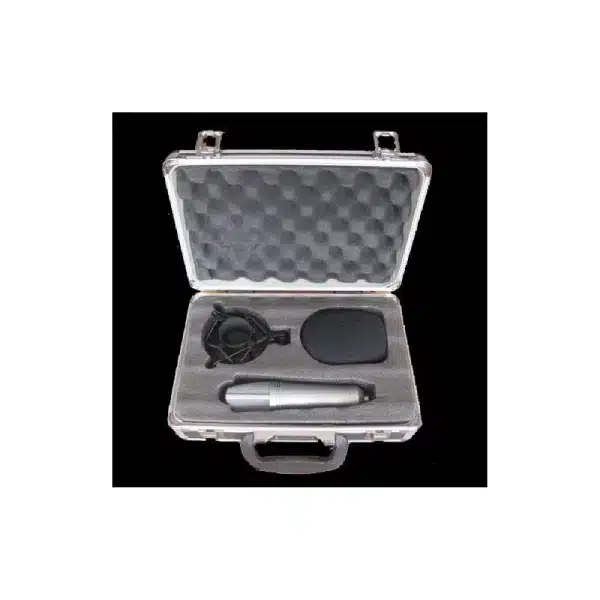
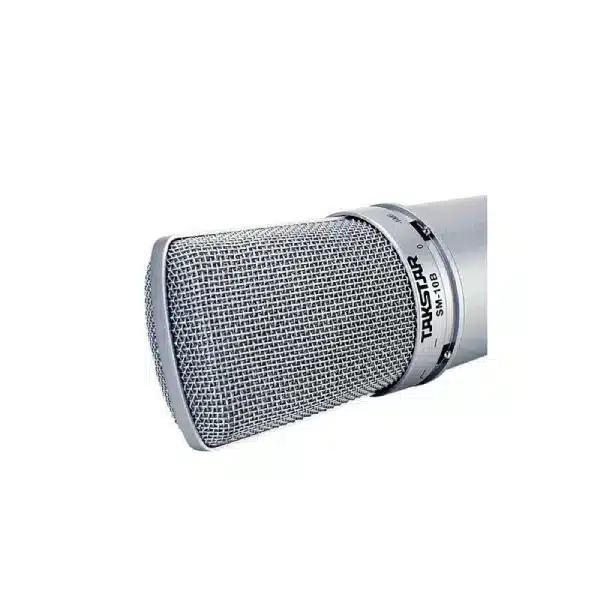
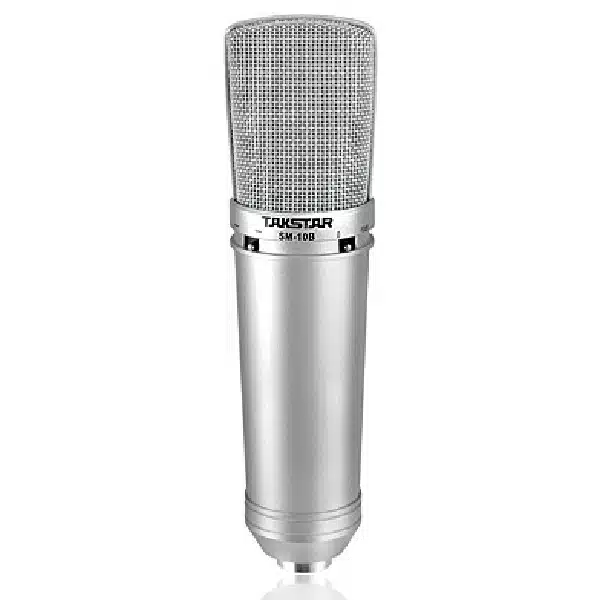
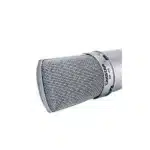
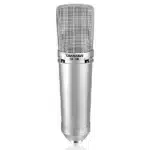
The Takstar SM-10B is a high-quality condenser microphone designed for studio recording, broadcasting, and voiceover work. It features a cardioid polar pattern, ensuring focused sound capture while reducing background noise, making it ideal for vocals, instruments, and professional audio recording.
Key Features:
- Polar Pattern: Cardioid – captures sound from the front while minimizing ambient noise.
- Frequency Response: 20Hz – 20kHz, delivering clear and natural audio reproduction.
- Phantom Power: Requires 48V phantom power for operation, compatible with most audio interfaces and mixers.
- Low Self-Noise: Ensures clean and detailed sound recording with minimal interference.
- Durable Build: Sturdy metal construction for long-lasting performance.
- Versatile Use: Suitable for vocals, acoustic instruments, podcasting, and broadcasting.
Ideal For:
✔ Studio Vocal Recording
✔ Instrument Recording (Guitar, Piano, etc.)
✔ Broadcasting & Podcasting
✔ Voiceovers & Streaming
The Takstar SM-10B offers professional-grade audio quality at an affordable price, making it an excellent choice for home studios, content creators, and musicians looking for a reliable condenser microphone.
Related Products
Key Features:
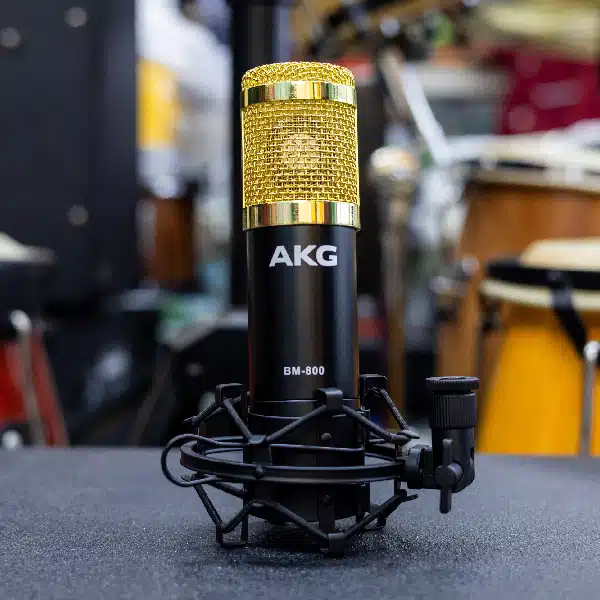
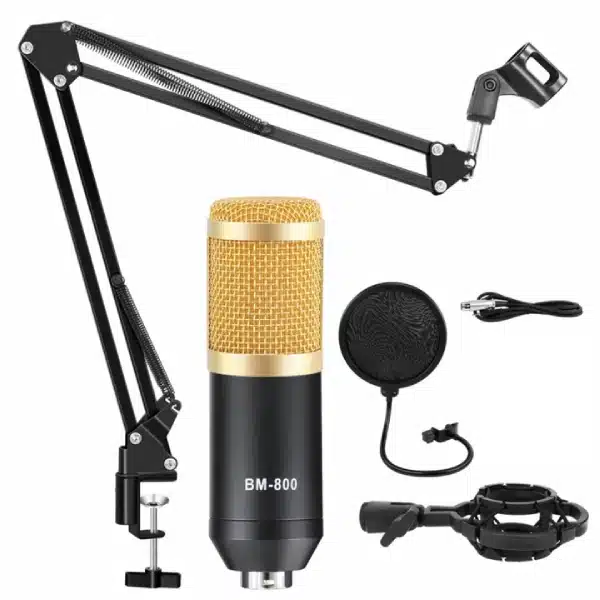
- Condenser Microphone Technology: Utilizes a high-quality condenser transducer, offering clear and precise audio capture, ideal for vocals and instruments.
- Cardioid Polar Pattern: The cardioid pickup pattern effectively isolates the main sound source while minimizing background noise and feedback, making it perfect for recording in less-than-ideal acoustic environments.
- Wide Frequency Response: With a frequency range of 20Hz to 20kHz, the BM-800 delivers a full spectrum of sound, capturing both the deep lows and crisp highs with great detail.
- Low Self-Noise: Designed to produce minimal self-noise, ensuring that recordings are clean and free from unwanted hiss, even at high gain settings.
Out of stock
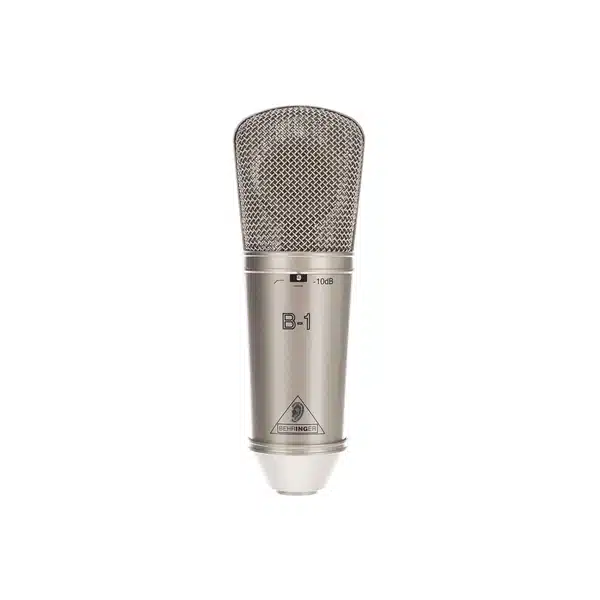
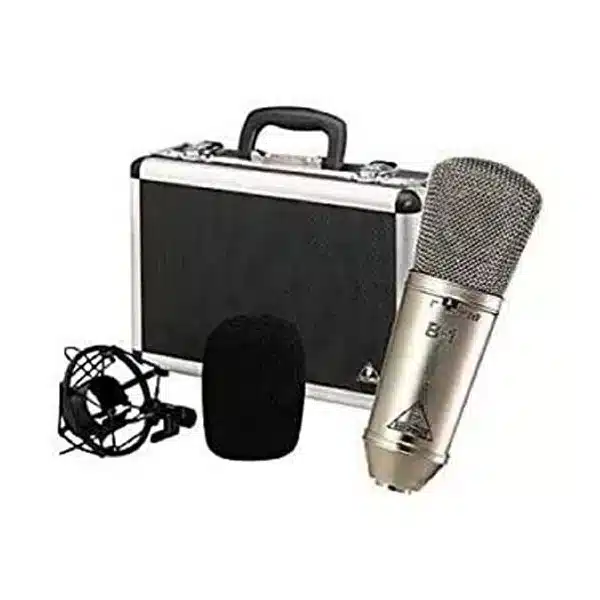
The Behringer B-1 microphone is a condenser microphone designed to capture your sounds with incredible realism, sensitivity and accuracy.
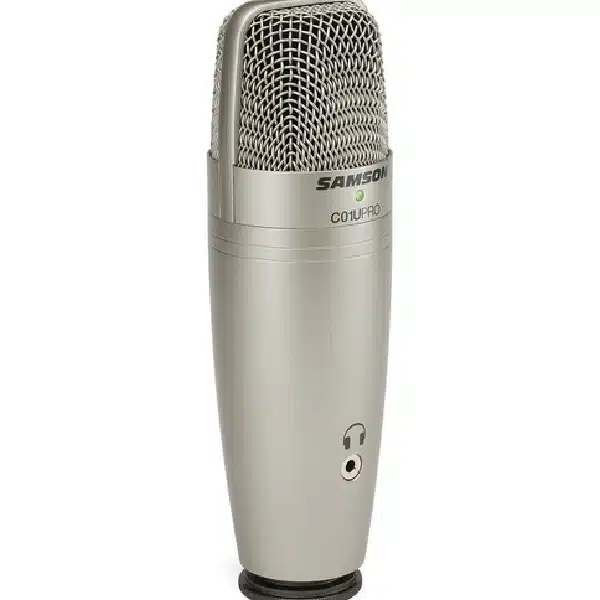
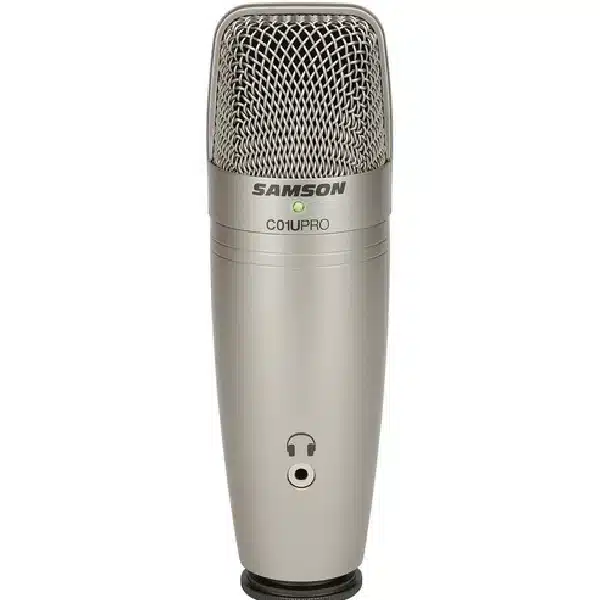
- For VoIP, Content Creation & Vocals
- For Use with Mac, Windows & iOS Devices
- Compatible with Most DAW Software
- 3.5mm Headphone Out, Direct Monitoring
- Supercardioid Pattern Reduces Room Tone
- Broadcast-Quality 48 kHz / 16-Bit Audio
- Solid Die-Cast Metal Construction
- Driverless Operation, Powered by Device
- Includes Desktop Stand, Swivel Mount
- Includes USB Cable
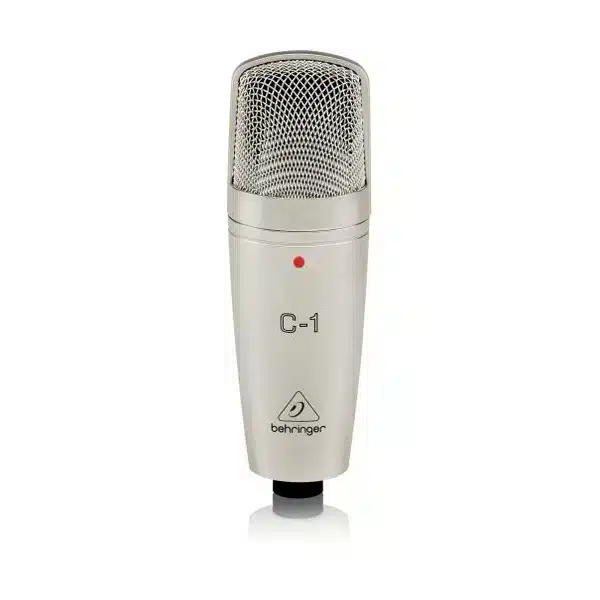
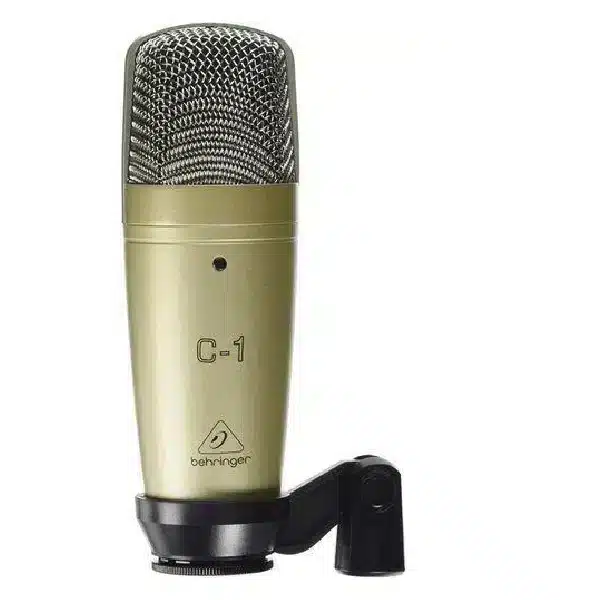
The Behringer C-1 microphone is a home recording enthusiast’s dream come true, designed to capture your sounds with incredible realism, sensitivity and accuracy.
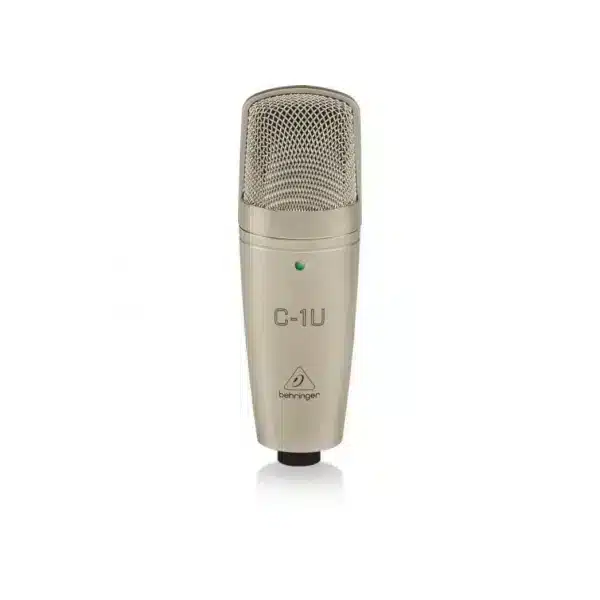
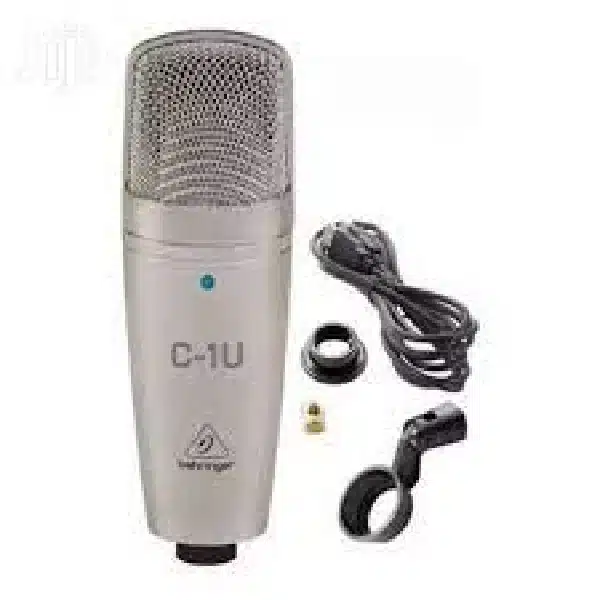
The Behringer C-1U is a digital home recording or podcasting enthusiast’s dream come true. This professional-quality condenser microphone is identical to the acclaimed C-1 mic, with one awesome difference: it has a built in USB interface so you can be ready to record faster than ever – and with minimal preparation and equipment.
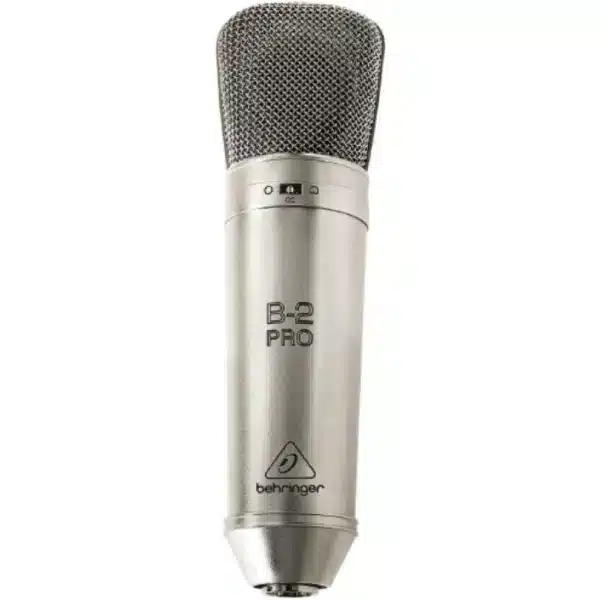
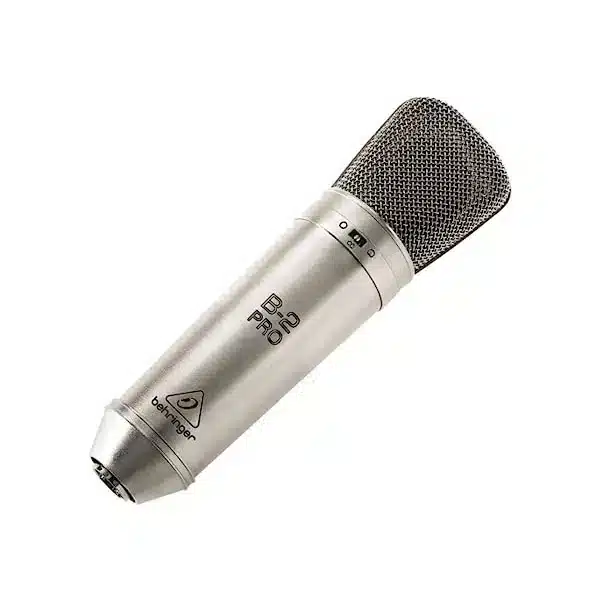
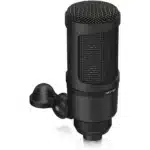
The Behringer B-2 PRO is a professional-quality condenser microphone designed to capture your sounds with incredible realism and accuracy.
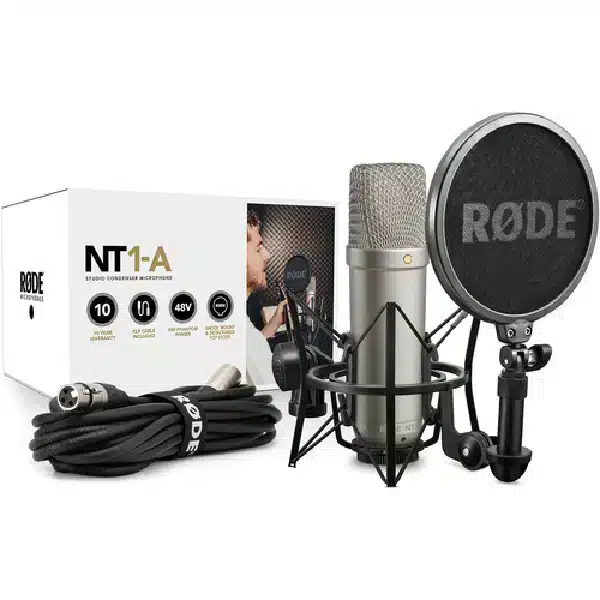
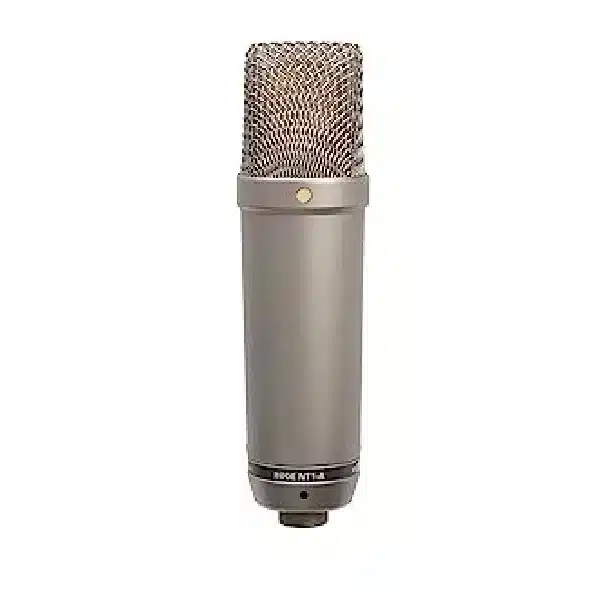
The Rode NT1A diaphragm studio microphone offers a warm, clear, and quiet sonic signature that makes it popular for voice and instrument capture at home or in the studio.
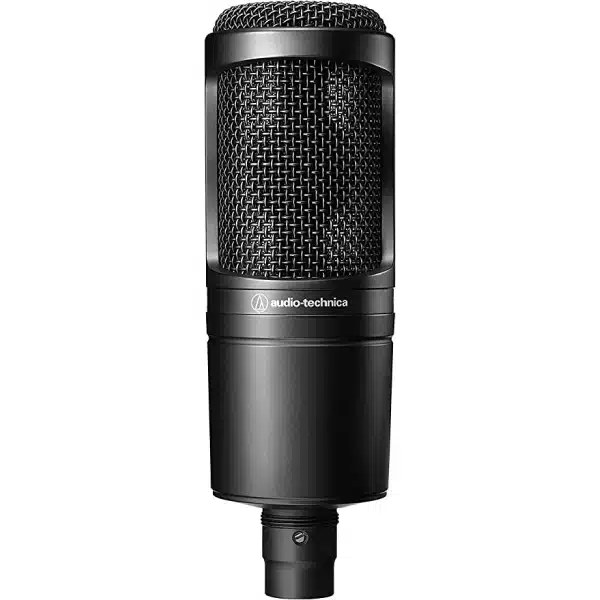
The Audio-Technica AT2020 Cardioid Condenser Microphone is designed to bring sonic performance distilled from the company’s reputable studio condensers to the realm of home recording for podcasters, musicians, and content creators.
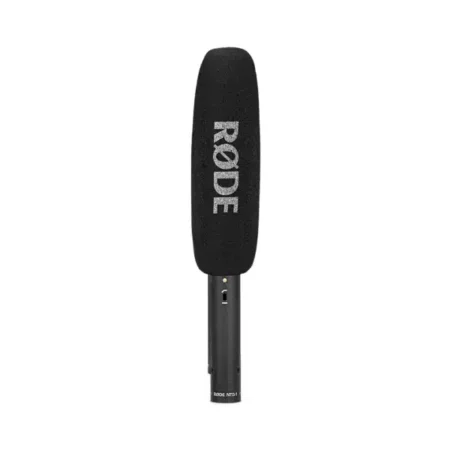
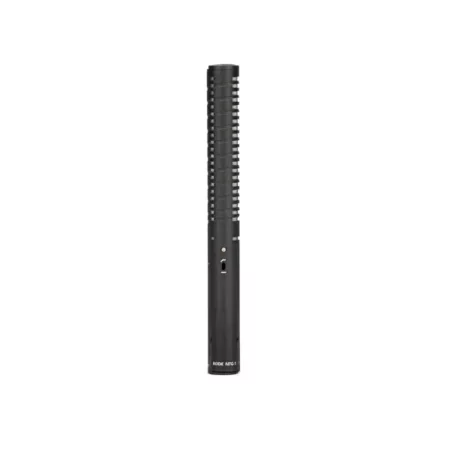
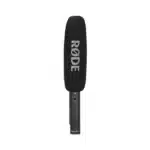
The RODE NTG1 is a professional short shotgun microphone designed for film, television, and broadcast applications.
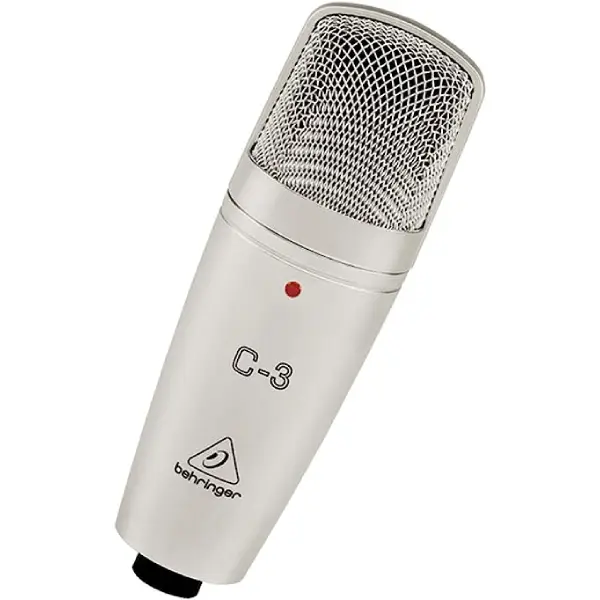
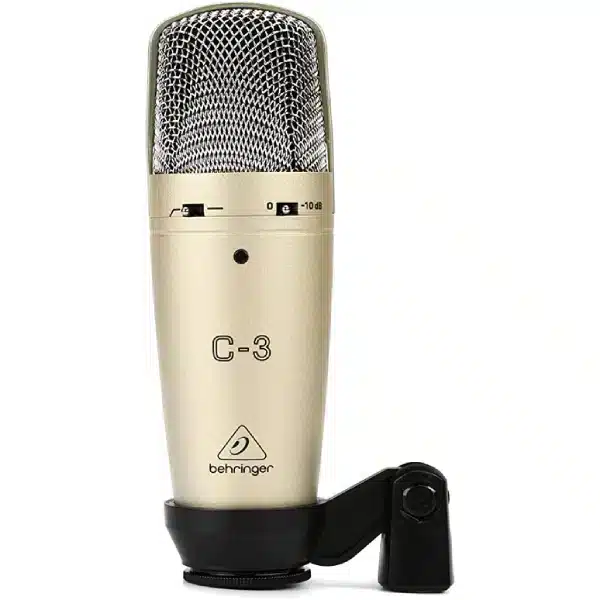
The Behringer C-3 is a dual-diaphragm condenser microphone with switchable polar patterns for studio and live applications.
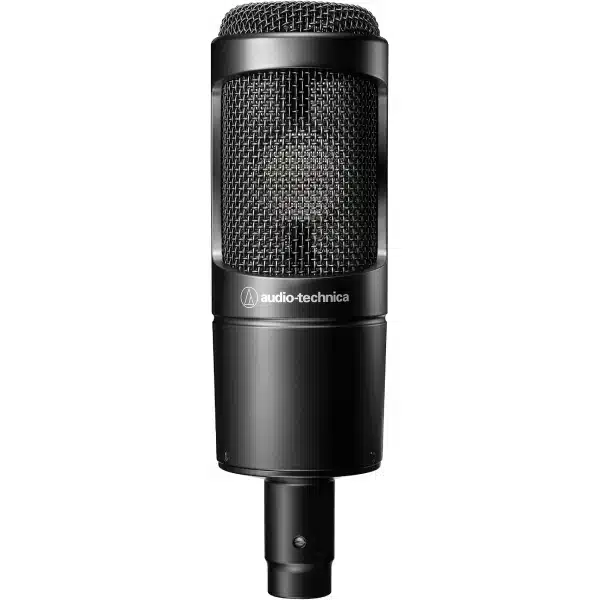
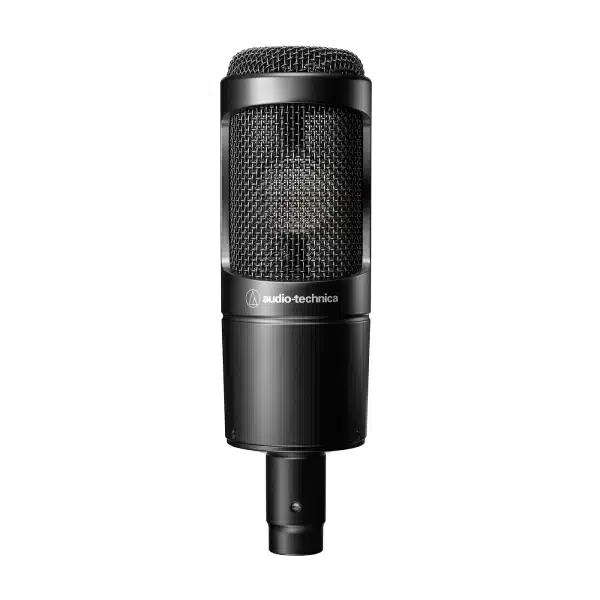
Audio-Technica cardioid microphones have heart — figuratively and literally — thanks to the shape of the sound capture area. Phantom microphones capture what’s in front of them in a rough heart shape, from the pinnacle of sound capture at the front of the microphone to the graduated capture off to the sides.